
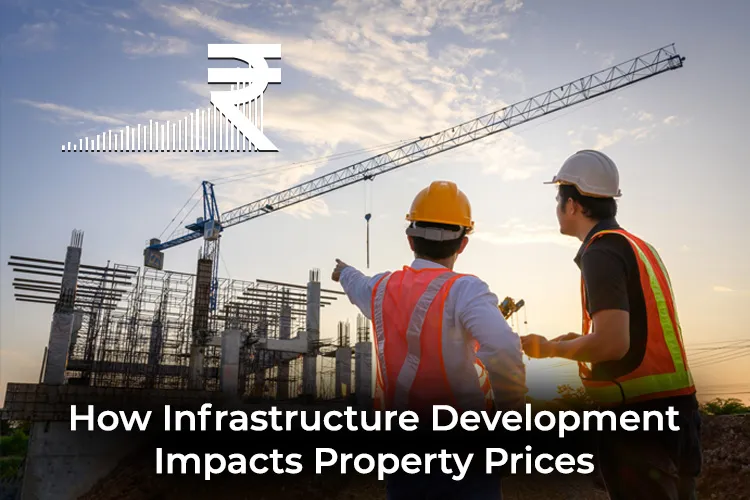
Urban development plays a major role in determining property value and investment potential. As cities grow and infrastructure improves, real estate prices often increase due to higher demand and better living conditions.
For investors, understanding urban development helps identify areas with strong future growth.
1. Infrastructure Increases Property Value
Good infrastructure makes a location more attractive. Features such as:
- Better roads
- Stable electricity
- Water supply
- Internet access
improve convenience and raise property demand.
Properties in well-developed areas usually appreciate faster.
2. Transportation Improves Accessibility
New highways, rail systems, airports, and bus routes make locations easier to access. Improved transportation attracts businesses, workers, and residents, which increases housing demand and property prices.
3. Business and Commercial Growth
When shopping malls, offices, factories, and commercial centers develop in an area, economic activity increases.
This creates demand for:
- Residential housing
- Office spaces
- Commercial properties
As demand rises, property values often rise as well.
4. Government Projects Create Opportunities
Government projects such as:
- Schools
- Hospitals
- Industrial zones
- Urban renewal programs
can transform underdeveloped locations into valuable investment areas.
Smart investors monitor development plans to identify future hotspots.
5. Population Growth Supports Real Estate Demand
Urban development attracts more people to a location. As population increases, the need for housing and business spaces grows, creating opportunities for property appreciation and rental income.
Conclusion
Urban development directly affects real estate value. Infrastructure, transportation, commercial growth, and government projects increase demand and create profitable investment opportunities. Investors who understand these trends can make smarter property decisions and benefit from long-term growth.