
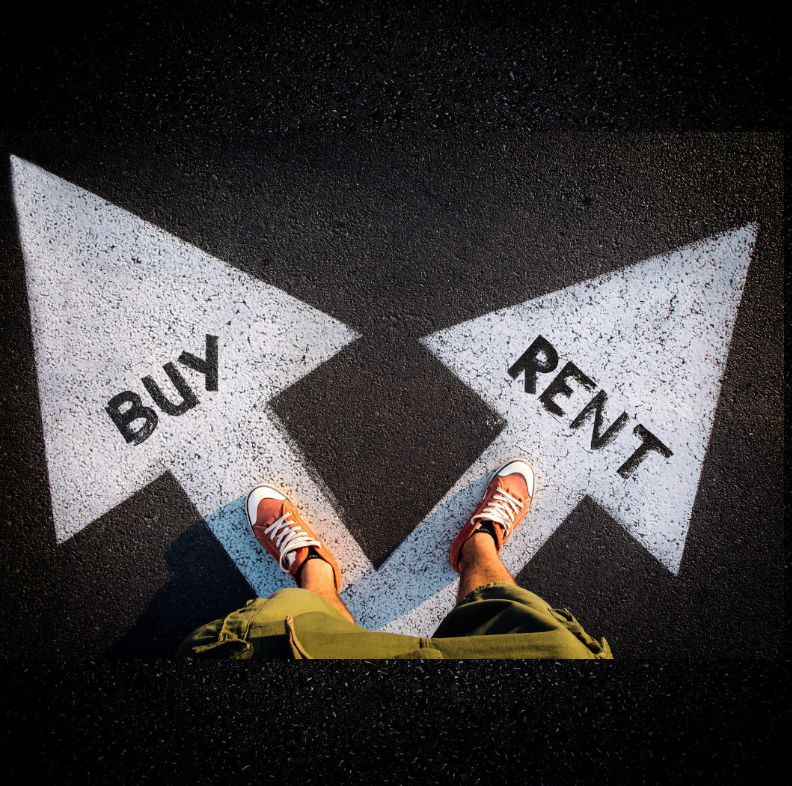
Choosing between renting and owning a home is an important financial and lifestyle decision. Both options have their advantages and challenges, and the right choice depends on your income, goals, and personal situation.
Understanding the differences will help you make a smart and informed decision.
What Does Renting Mean?
Renting involves paying a landlord to live in a property for a fixed period, usually yearly or monthly.
Advantages of Renting:
- Lower upfront cost
- Flexibility to relocate easily
- No responsibility for major repairs
- Less financial commitment
Challenges of Renting:
- No ownership or asset building
- Rent may increase over time
- Limited control over property changes
Renting is suitable for individuals who value flexibility or are not ready for long-term financial commitments.
What Does Owning a Home Mean?
Owning a home means you have full legal rights to the property after purchase.
Advantages of Owning:
- Builds long-term wealth
- Property value may increase over time
- Full control over the property
- Potential rental income opportunity
Challenges of Owning:
- High upfront cost
- Maintenance and repair responsibilities
- Less flexibility to relocate
- Additional costs like taxes and documentation
Owning is ideal for individuals looking for stability and long-term investment.
Cost Comparison
Renting usually requires less initial money, while owning requires a larger upfront investment. However, over time, owning a property can be more financially rewarding as it builds equity.
Lifestyle Considerations
Your lifestyle plays a big role in your decision:
- If your job requires frequent movement, renting is more suitable
- If you prefer stability and long-term planning, owning is a better option
Long-Term Financial Impact
Renting does not create ownership, while owning a home is an investment that can appreciate in value. Over time, property ownership can contribute to financial security and wealth creation.
Conclusion
There is no one-size-fits-all answer when choosing between renting and owning a home. Your decision should be based on your financial capacity, lifestyle needs, and long-term goals. By understanding the benefits and challenges of both options, you can choose the path that best suits your situation.